







Search Results for: Development Phase
How Does Roast Level Shape the Acidic and Bitter Flavors of Coffee? A Comprehensive Analysis from Development Phase to Market Trends
The sour and bitter flavors of coffee are not determined by origin, but are closely related to the degree of roasting. This article starts with the "development phase" in roasting, explaining how sourness and bitterness are formed, and explores the role of sweetness and aroma in flavor balance. Through examples such as Kenya, Blue Mountain, and Mandheling, it analyzes the different expressions of light and dark roasts, as well as the influence of market trends and bean quality on roasting choices. Recommendations from Front Street Coffee run throughout the article, providing practical reference for enthusiasts. [more…]
Coffee Bean Roasting for Beginners: A Complete Guide to Equipment Selection, Differences in Heat Transfer Methods, and Core Terminology
Want to learn how to roast coffee? Start by getting to know the tools and the terminology. Roasting coffee beans looks as simple as stir-frying vegetables, but doing it well requires a solid foundation of knowledge. In this article, Front Street Coffee will walk you through several common coffee roasting devices—direct-fire, semi-direct-fire, and hot-air roasters—covering their respective heat transfer principles, advantages, and drawbacks. At the same time, we'll systematically sort out the professional terms that come up during roasting, including charge point, turning point, yellowing point, first crack and second crack, as well as stage concepts like the drying phase, browning phase (Maillard), and development phase. Mastering this foundational knowledge is an important prerequisite for actually roasting beans, judging the roasting pace, and controlling the direction of flavor—and it can help you avoid detours and roast a good batch of beans faster. [more…]
How Does Roast Level Shape Coffee Flavor? Starting with the Sweet, Sour, and Bitter Balance of Mandheling and Blue Mountain
What exactly determines whether coffee is sour or bitter? Many people think that Ethiopian beans tend to be sour and Mandheling tends to be bitter because of their origin, but the real dominant factor is actually the roast level. This article starts with the development phase after first crack and explains how the length of the development phase affects the caramelization reaction, thereby determining whether the coffee's flavor leans sour or bitter. At the same time, using Kenya, Blue Mountain, and Mandheling as examples, it explains that dark roasting is not a cover-up for poor quality—sweetness within bitterness and a rich, balanced cup are what these classic beans insist on. Front Street Coffee also shares related insights in the article. [more…]
From Green Beans to Roasted Beans: A Detailed Guide to Coffee Roast Levels, Flavor Changes, and Agtron Roast Percentage Interpretation
Turning green coffee beans into roasted beans relies entirely on roasting. For the same batch of beans, different roast levels lead to completely different acidity, bitterness, sweetness, body, and aroma profiles. Today, Front Street Coffee systematically breaks down the core knowledge of coffee roasting: what happens during the dehydration phase, the yellowing phase, and the flavor development phase; how to judge the drop time based on first crack and second crack; and which origins and brewing methods suit light, medium, and dark roasts. We'll also explain why the color of the bean surface can be misleading, and how to interpret Agtron values and Roaster %. At the end, we've included Front Street's recommendations for resting and grinding, to help you get the best flavor once you have the beans in hand. [more…]

Espresso Flavor
The concept of specialty coffee has been in China for over thirty years, and has developed rapidly in the past decade. At the same time, people have also raised questions about the concept of specialty coffee. Pour-over is generally considered specialty coffee, so are Americano, espresso, and others also specialty coffee? In fact, in international coffee competitions, especially in Northern Europe, espresso [more…]
How Does First Crack Timing Shape Flavor? A Deep Dive into Three Roast Profiles for Front Street Coffee Costa Rica Black Soul
In coffee roasting, "first crack" is not only an important auditory milestone, but also directly relates to the final flavor presentation in the cup. This article uses Front Street Coffee's Costa Rica Natural Black Soul as a sample, conducting comparative experiments through three roasting curves with different first crack times, to deeply explore the specific effects of the length of the drying phase on bean expansion, the degree of the Maillard reaction, and cupping flavor. From 7 minutes 30 seconds to 8 minutes 30 seconds, subtle differences in first crack timing bring significant changes in fruit acidity, sweetness, body, and complexity. This article will break down each curve's roasting parameters, bean surface condition, and brewing performance one by one, helping roasting enthusiasts understand the core logic of first crack time control. [more…]
An Analysis of Flavor Differences in Light, Medium, and Dark Roasted Coffee Beans: From Dehydration to Second Crack—The Roasting Curve and Temperature Reference for Blue Mountain No. 1
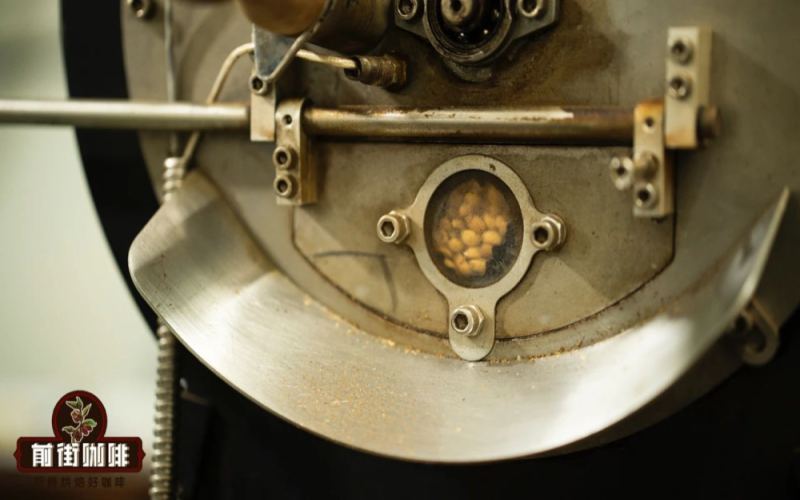
Roasting is the key stage that determines the direction of coffee flavor; the same green beans will present completely different aromas and tastes under different roast levels. Starting from the roasting practice of FrontStreet Coffee, this article systematically sorts out the complete roasting process of coffee beans from bean charging, dehydration, first crack to second crack, explains the specific flavor performance of light, medium, and medium-dark roast levels in cupping, and introduces the Agtron color value as a scientific judging standard. Taking sun-dried Yirgacheffe as an example, the article provides the yellowing point, first crack temperature, development time, and drop temperature data for three roast levels, and also lists Front Street's representative bean list for each roast level, including Blue Mountain No. 1, the Mandheling series, etc., to help enthusiasts build a corresponding understanding between roast level and flavor. [more…]
Brazil's IAC natural decaf coffee breeding enters a critical validation phase, with promising commercial prospects.
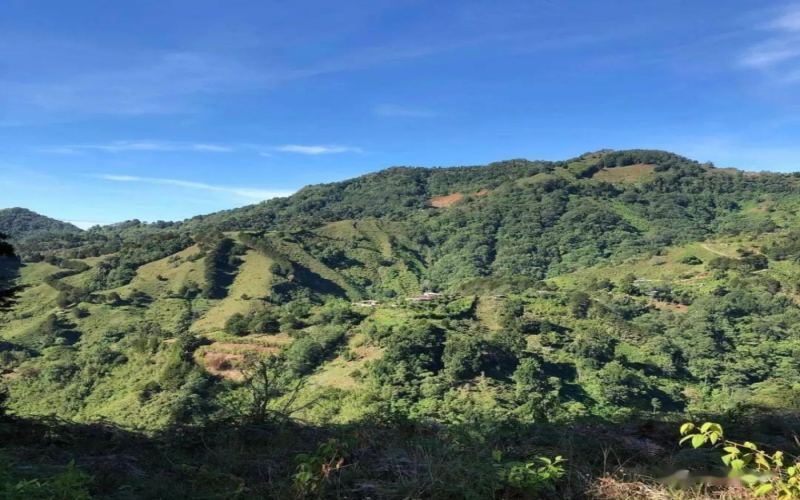
The natural decaffeinated coffee breeding program at Brazil's Campinas Agronomic Institute (IAC), which has spanned more than two decades, has now entered the stage of definitive verification. Researchers are cultivating and screening hybrid coffee plants derived from different varieties, with the goal of developing coffee varieties that are naturally low in caffeine or even caffeine-free without the need for industrial decaffeination. If this breakthrough ultimately comes to fruition, it will profoundly change the commercialization landscape of decaffeinated coffee in major markets such as the United States and Europe. According to forecasts by market research institutions, the global decaffeinated coffee market will reach US$28.86 billion by 2030, with young health-conscious consumers as the main driving force. Front Street Coffee will also continue to follow the subsequent progress of this transformative research. [more…]
A Complete Analysis of the Flavor Differences Between Natural and Washed Coffee Beans: From Green Bean Appearance to Cupping Taste and Brewing Comparison
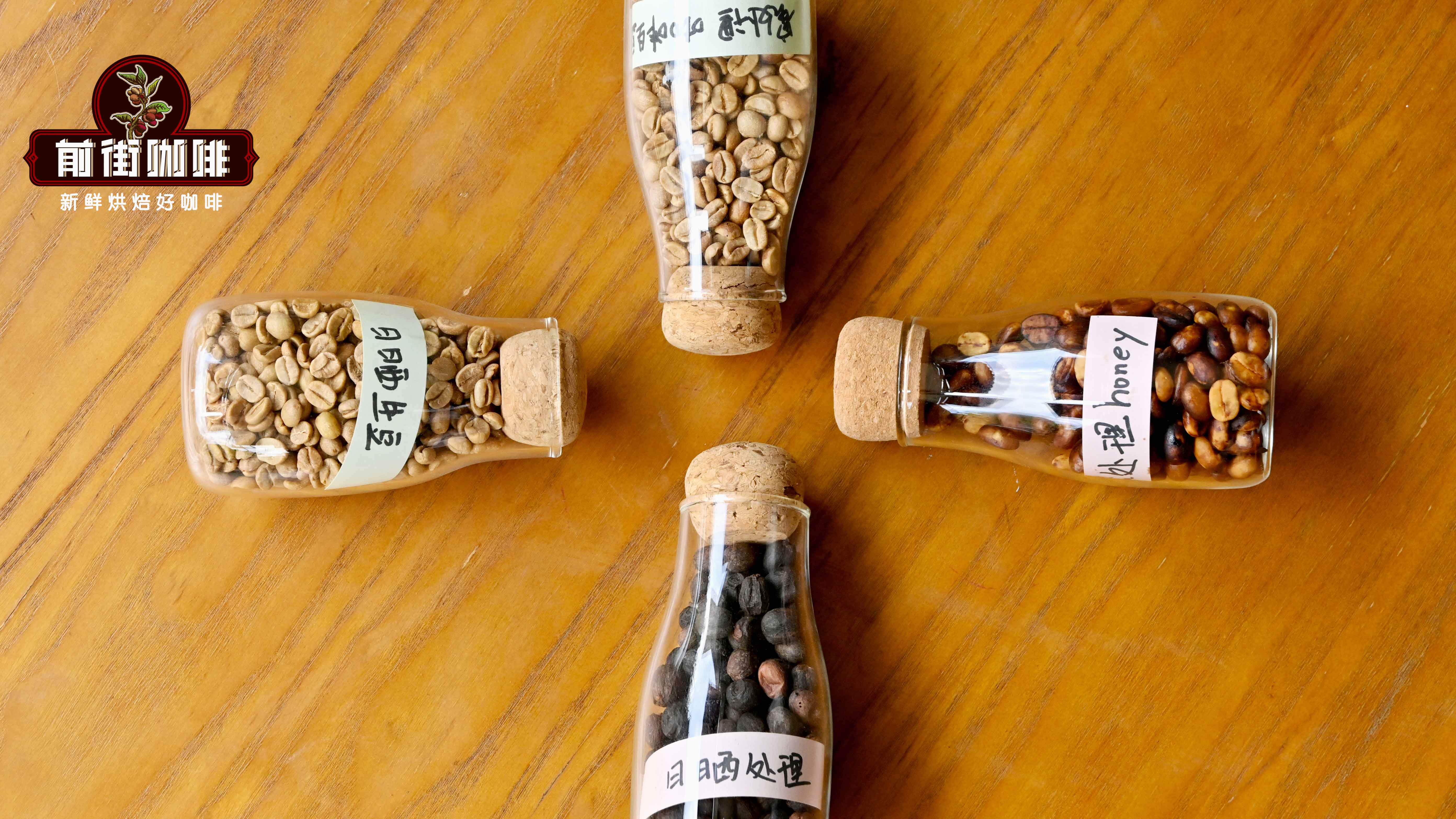
Among coffee bean processing methods, natural and washed are the most common, and the two differ significantly in green bean appearance, roasting performance, silver skin shedding, and final cupping flavor. Through long-term cupping, Front Street Coffee has found that washed beans highlight the bean's intrinsic flavor, with bright and clean acidity; natural beans, because the fruit pulp participates in drying, have richer aroma, enhanced sweetness and body, and more complex flavor. This article compares two Panama Butterfly beans, one natural and one washed, one by one from processing flow, advantages and disadvantages, roasting details to actual brewing parameters, helping coffee enthusiasts understand the flavor changes brought by different processing methods and make choices based on personal preference. [more…]
Guatemala New Oriente Region SL28 Honey Process Coffee: Guayabo Estate Roast Profile and Flavor Review
SL28, a legendary variety originating from Kenya, has now crossed the Atlantic to take root in the New Oriente region of Guatemala in Central America. Front Street Coffee presents the SL28 honey-processed lot from the Guayabo (Guava Plain) estate, located at 1,675 meters in the Suchitán volcanic area and cultivated under full shade throughout. This article will present the full varietal background of SL28, the terroir characteristics of the New Oriente region, and a comparison of two roasting curves by Front Street roasters tailored to the honey-processed bean quality. Through cupping, it reveals the impact of high-heat fast roasting versus extended development time on flavor, and finally provides pour-over parameters and tasting notes. [more…]

Coca-Cola Spiced soda discontinued just seven months after launch: niche flavor trial fails and product strategy adjusts
Coca-Cola recently announced it will phase out its Spiced-flavored soda, which was launched with much fanfare just this February—a drink once positioned as a "permanent product" that lasted only seven months. Spiced blended traditional cola, raspberry, and spice flavors, aiming to attract Gen Z consumers seeking bold tastes, but its market performance was lackluster. Analysts suggest that consumers' unclear perception of its flavor and overly hasty new product development may be the main reasons for the failure. Meanwhile, Coca-Cola has also discontinued flavors like Cherry Vanilla and Splenda Diet Coke to focus on faster-growing categories. This article traces the complete trajectory of Spiced from launch to discontinuation and explores the challenges and prospects of niche sodas in the market. [more…]
Bolivia Java vs. Panama Geisha Comparison: A Full Analysis of Bean Characteristics, Roast Profiles, and Flavor Differences
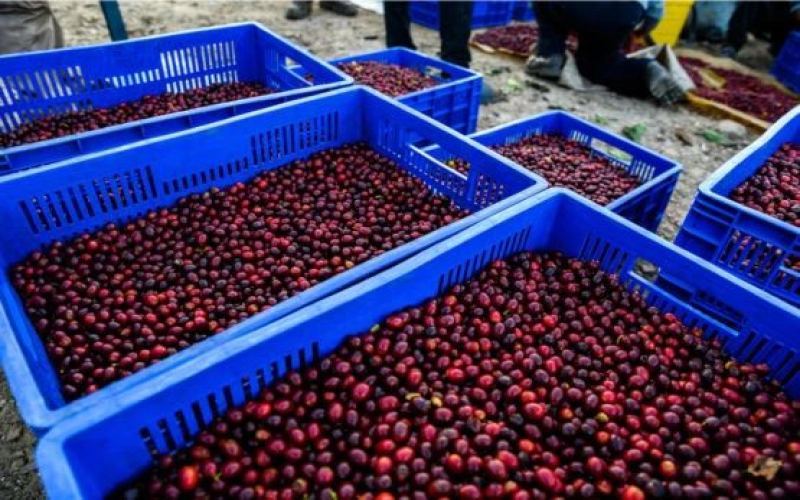
Geisha has become a star variety in the coffee world thanks to its unique floral and fruity aromas, while Bolivian Java has attracted much attention because of its "cousin" relationship with Geisha. Front Street Coffee (FrontStreet Coffee) takes Panama Janson Estate Geisha and Bolivian Java as its subjects and conducts a comprehensive comparison from variety origin, green bean appearance, roasting records, and cupping performance to brewing parameters. The article sorts out the specific differences between the two beans in sweetness, acidity, aftertaste, and complexity, and includes Front Street's roasting curves and brewing plans. Whether you want to learn about the legendary story of Geisha or are curious about the actual performance of the Java variety, this comparison can provide a clear reference. [more…]
What Are the Differences Between Washed, Natural, and Honey Processing? A Detailed Explanation of the Flavor Characteristics and Operating Procedures of Three Coffee Bean Processing Methods
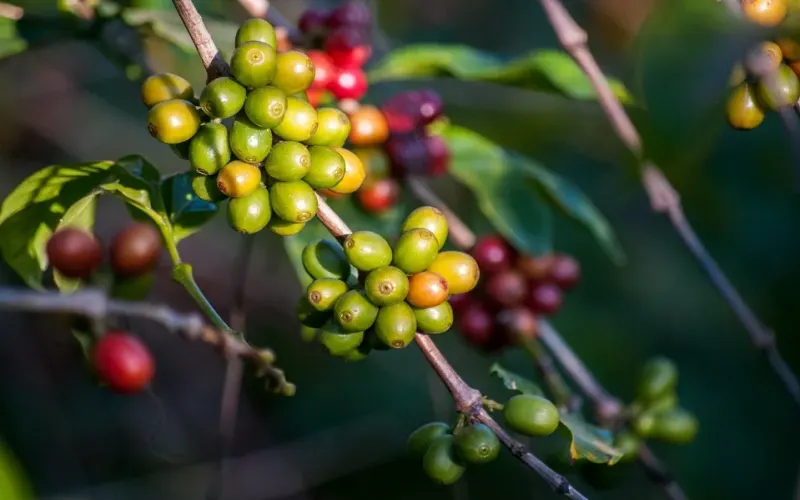
The flavor profile of coffee beans is largely determined by the processing method used after harvest. Washed, natural, and honey processing, as the three traditional and common coffee processing methods, each shape distinctly different expressions in the cup: washed coffees have bright acidity and high cleanliness; natural coffees have prominent sweetness and complex layers; honey processing strikes a balance between acidity and sweetness while amplifying aroma. Using three Geisha coffee beans from the Boquete producing region of Panama as samples, Front Street Coffee examines the core differences among these three processing methods one by one, from operational steps to the appearance of green and roasted beans, and also includes the brewing flavor and roasting records of each bean to help coffee enthusiasts build a clearer framework for understanding flavor. [more…]
The Past and Present of Yunnan Small-Bean Coffee: A Complete Analysis of Its Cultivation Origins, Variety Flavors, and Producing Regions
Yunnan is China's largest coffee-producing region, accounting for more than 80% of the national output. Its Arabica coffee is renowned for being rich but not bitter, aromatic but not overpowering, with a slight fruity note. This article traces the century-long history of Yunnan coffee from its introduction by French missionaries in 1892 to the present, analyzes international and domestic grading standards, introduces the terroir conditions of the three major producing regions—Pu'er, Lincang, and Baoshan—and explains in detail the flavor differences between the washed processing method and varieties such as Typica, Bourbon, and Catimor. The article also documents Front Street Coffee's own planting projects in Yunnan and their latest progress, providing coffee enthusiasts with a complete knowledge map of Yunnan coffee. [more…]

Schultz writes to Chinese partners: Bullish on China's market potential, firmly believes it will eventually become Starbucks' largest global market
Starbucks interim CEO Howard Schultz published an open letter to Chinese partners on the official website on the occasion of the New Year, reviewing the resilience and dedication shown by the Chinese team under the impact of the pandemic over the past few years, and expressing firm confidence in the prospects of the Chinese market. In the letter, he revealed that he communicates with the Chinese leadership team every week and keeps in touch with Belinda Wong every day, and pointed out that as China enters the post-pandemic stage, the release of consumer demand will drive business recovery. Although the road ahead is not linear, he believes China will eventually become Starbucks' largest market. The following is the full text of the speech and its translation. [more…]
Exploring Bolivia's Valiki Estate Java Coffee Beans: Flavor Stories from a Niche Origin and the Cacao Natural Process
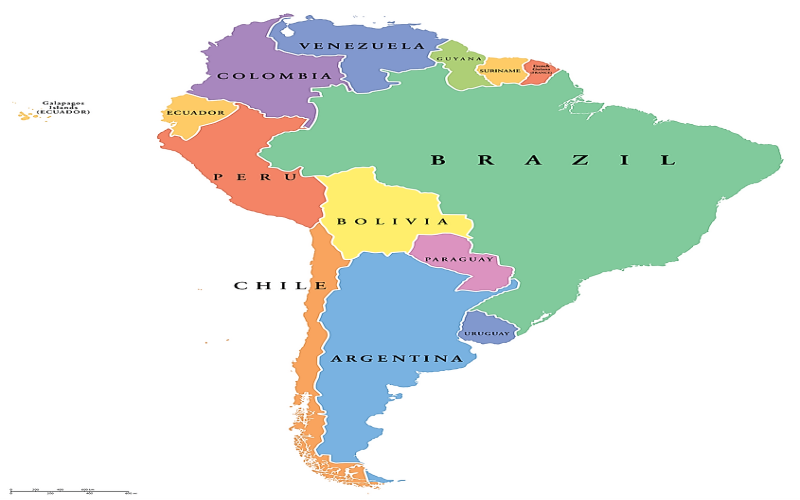
In the landscape of South American specialty coffee, Bolivia, though a niche-producing country, holds potential that cannot be overlooked. Front Street Coffee ventures deep into the La Paz region to bring you Java coffee beans from the Waliki Estate. This article will guide you through Bolivia's winding coffee history, the terroir of the Yungas Province, and the legendary journey of the Java variety from Ethiopia to Latin America. The estate employs a unique cacao sun-dried processing method, shaping a flavor interwoven with grape, nut, and honey notes through low-temperature slow drying. Front Street Coffee also shares roasting and brewing parameters to help you fully appreciate the charm of these beans. [more…]

How to Run a Coffee Shop After the Pandemic? Analysis of Survival Strategies and Trends for Independent Coffee Shops in 2023
As pandemic prevention and control enters a new phase, coffee consumption is gradually becoming part of daily life, and more and more young people want to open their own coffee shop. Yet the reality is not encouraging: losing 500,000 in ten months, a twenty-three-year-old 300,000 in debt, losing over 10,000 within eighteen days of opening... These cases remind us that passion alone is far from enough. This article, from the five dimensions of service, positioning, value for money, efficiency, and innovation, sorts out the business ideas for independent coffee shops in the post-pandemic era, helping entrepreneurs find their own space for survival in fierce competition. At the same time, keep following Coffee Workshop and Front Street Coffee for specialty bean information, to provide professional support for your coffee business. [more…]

Yunnan Arabica Coffee Variety Analysis: Flavor Differences Between Typica and Catimor and Current Cultivation Status
Yunnan coffee, also known as Yunnan small-bean coffee, has plump, uniform beans and a mellow, well-balanced taste. On Front Street Coffee's bean list, there are currently two Yunnan small-bean coffees—Catimor and Typica—and their flavors differ significantly. Because Catimor carries Robusta genes, its cup profile falls short of Typica's. Although Yunnan has good growing conditions, Front Street believes the current quality has not yet reached specialty coffee standards: most plantings are Catimor, and the processing tends to favor anaerobic fermentation, which instead masks the coffee's true flavor. Front Street grows coffee in the border region between Yunnan and Myanmar, insisting on expressing regional flavor through the right varieties, appropriate altitude, and suitable processing methods—this is also the core philosophy behind the specialty coffee flavor map established under the leadership of the Yunnan Department of Agriculture. This article will take a deep dive into the varietal characteristics of Typica, Bourbon, and Catimor, and share Front Street's roasting and brewing recommendations for two Yunnan coffees. [more…]

After Roast Date: When Should You Grind Coffee Beans for the Best Flavor?
Coffee beans just out of the roaster won't display their full flavor the moment they go into the espresso machine. They still hold a lot of carbon dioxide inside, and during pressure extraction this can make the water flow and crema behave erratically, while the aroma in the cup may also seem shut down. Give the beans a quiet period to degas, and the sweetness, body, and finish of the espresso will usually be more [more…]
Brazil Cerrado Region Flavor Analysis: A Comparison of Brewing Performance Between Red Bourbon and Yellow Bourbon Coffee Beans
As the world's largest coffee producer, Brazil's Cerrado region, with its high altitude and fertile soil, produces sweet, full-bodied specialty coffee. This article begins with Brazil's coffee history, geographical conditions, Bourbon variety characteristics, and the pulped natural processing method, then focuses on analyzing the regional features, green bean analysis, roasting curves, and cupping flavors of Cerrado Red Bourbon and the Queen of Mogiana Estate Yellow Bourbon. Combining Front Street Coffee's brewing parameters, it presents the differentiated expression of these two beans in nutty, chocolate, and sweetness notes, making it a useful reference for coffee lovers who prefer low-acid, full-bodied flavors. [more…]